
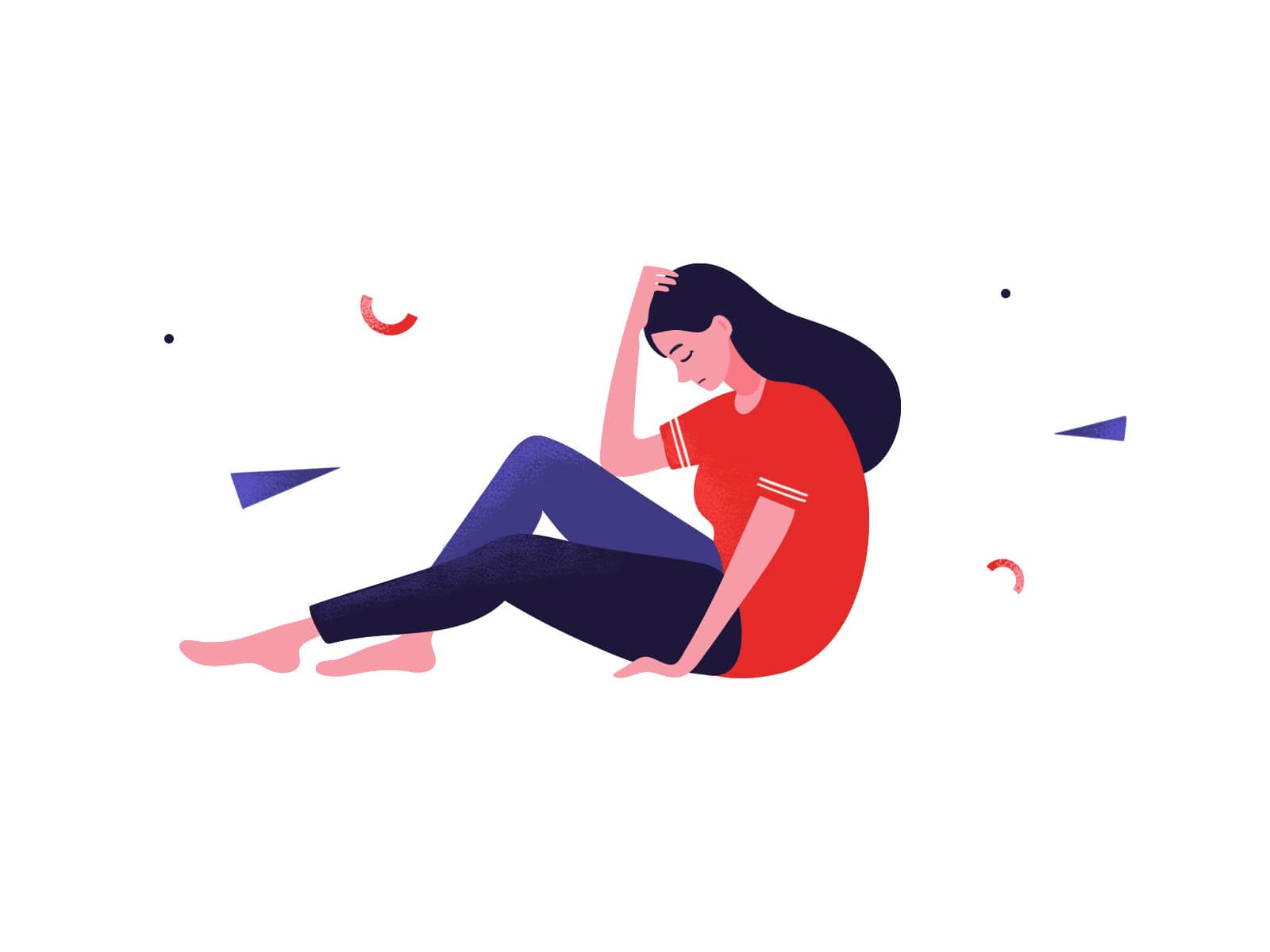
There is a strong connection between outdoor activities and seasonal depression in Nordic countries. Due to the long, dark winters and limited sunlight, many people in these countries experience a form of depression known as Seasonal Affective Disorder (SAD). This condition is characterized by feelings of sadness, fatigue, and hopelessness that typically occur during the fall and winter months.
Prevalence of SAD in Nordic Countries
Studies have shown that SAD affects around 5% of the population in the Nordic countries, and up to 15% of people in some areas of Northern Europe.
The Connection between Outdoor Activities and SAD
However, research has shown that spending time outdoors, especially in natural environments, can help alleviate symptoms of SAD. This is because exposure to sunlight and nature can increase the production of serotonin, a chemical in the brain that plays a key role in regulating mood. Additionally, outdoor activities such as hiking, skiing, and snowshoeing can help boost physical activity and promote feelings of well-being. These activities not only improve mood and reduce stress, but also provide a sense of accomplishment, which can be especially important for those dealing with SAD.
The Role of Vitamin D
Moreover, sunlight exposure is known to increase Vitamin D production in the body, which is important for bone health and has been linked to depression. Nordic countries are known for low Vitamin D levels especially during the winter months due to lack of sunlight, making outdoor activities all the more important.
Therefore, it is important for people living in Nordic countries to make a conscious effort to spend time outdoors during the winter months to combat feelings of seasonal depression. Engaging in outdoor activities, even for a short period of time, can make a significant difference in reducing symptoms of SAD and improving overall well-being.
Seeking Help
If you or someone you know is experiencing symptoms of seasonal depression, it is important to reach out for help. There are various treatment options available, such as counseling, therapy, and medication. Talking to a healthcare professional or mental health professional can help determine the best course of treatment. Additionally, support groups and self-help resources can also provide valuable support and guidance.
In Nordic countries, people can reach out for help by contacting their general practitioner or visiting a mental health clinic. They also have a strong tradition of government funded mental health services that offer counseling and therapy sessions. People can also reach out to organizations such as the National Institute for Health and Welfare in Finland, which provide information and resources on SAD and other mental health conditions.
It is important to remember that seeking help is a sign of strength, and that it is possible to manage and overcome the symptoms of seasonal depression with the right support and treatment.
Graphics Credit: Tati


Leave a Reply